
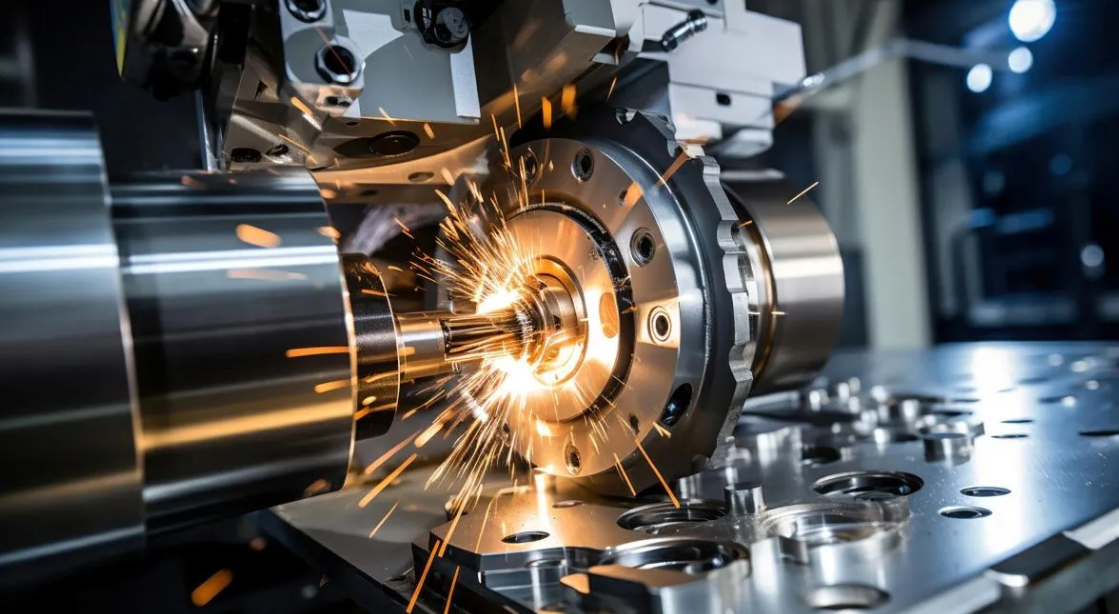
Manufacturing floors have changed dramatically over the past decade. The rhythmic sounds of automated equipment have largely replaced the manual operations that once dominated production spaces. CNC machining services represent more than just technological advancement in Australian industry. They’ve fundamentally shifted what’s achievable when physical limitations no longer constrain the manufacturing process.
Precision Beyond Human Capability
Even the most experienced machinists face inherent physical limitations. Steady hands and years of expertise can only achieve certain tolerance levels. Computer-controlled systems operate at a completely different scale of accuracy. Medical implants need surface finishes that remain smooth at microscopic levels. Aerospace components require hole alignments that must match perfectly across multiple interconnected parts. These specifications aren’t ambitious goals. They’re baseline requirements that only automated precision delivers consistently. What makes this fascinating is how new product possibilities emerge once you’re working at these tolerance levels.
The Economics of Repeatability
Traditional manufacturing carries a hidden cost that rarely gets discussed openly. Your initial component might meet every specification perfectly. However, operator fatigue sets in. Tools wear down gradually. Minor technique variations accumulate across extended production runs. CNC machining services remove these variables completely from the equation. Get the programming right initially, and every subsequent piece emerges identically. This has implications beyond simple quality assurance. Inventory management becomes straightforward. Assembly processes simplify dramatically. The tedious matching and grading work that once consumed valuable production time disappears entirely.
Complexity Costs Nothing Extra
Manual machining follows a straightforward pricing structure. Greater complexity means extended production time, which translates directly to higher expenses. Automated systems break this traditional relationship entirely. A simple straight bore and an intricate compound-angle feature with specialised surface treatments require equivalent programming effort. The machine executes instructions without regard to geometric difficulty. This fundamentally changes the design process. Engineers can prioritise performance characteristics over manufacturing convenience. That theoretically optimal lightweight structure that seemed impossible to produce? It’s now entirely feasible.
Night Shifts Without Staff
Most Australian manufacturers face greater constraints from labour availability than from equipment capacity. The machinery sits ready, but finding qualified operators for evening and weekend work proves challenging. Automated machining continues through nights and weekends with minimal oversight requirements. A single operator can supervise multiple machines simultaneously. Modern systems pause themselves when tool changes become necessary or when issues arise. This operational capability doesn’t simply boost output volumes. It transforms how manufacturers can approach delivery commitments and handle unexpected urgent requirements.
Materials That Were Previously Unworkable
Titanium alloys offer exceptional strength-to-weight ratios but resist conventional machining aggressively. Hardened tool steels provide excellent wear resistance whilst dulling cutting tools rapidly. Advanced composites deliver unique property combinations but chip unpredictably during processing. Computer-controlled systems manage these challenging materials through precisely calibrated cutting parameters that human operators cannot maintain consistently over extended periods. Feed rates adjust during active cutting operations. Coolant delivery targets specific thermal zones. Tool paths optimise to minimise problematic heat accumulation. Material selection can now prioritise engineering performance rather than manufacturing convenience.
The Prototyping Revolution
Traditional manufacturing created a frustrating disconnect between design concepts and physical production. Prototypes demanded expensive tooling investments or required highly skilled craftspeople interpreting technical drawings. Each design modification meant repeating this slow, resource-intensive process. CNC machining services compress these timelines dramatically. Design files convert directly into machine instructions without intermediate steps. A concept sketched during morning meetings can become a tangible component by day’s end. This acceleration enables iterative development approaches that weren’t economically sensible previously. Test a design, refine the approach, test again. All within timeframes that maintain project momentum rather than creating developmental bottlenecks.
Quality Documentation That Actually Exists
Request detailed production records from traditional manufacturers, and you’ll typically receive incomplete paperwork or vague recollections. Automated systems capture comprehensive data for every manufactured component automatically. Tool paths, cutting parameters, cycle times, and inspection results are all recorded without manual intervention. This documentation becomes invaluable when certification processes require complete traceability. When investigating field failures, you’re reviewing precise production data rather than reconstructing probable events. The difference matters significantly for quality management and continuous improvement initiatives.
Conclusion
The transition toward CNC machining services goes well beyond equipment upgrades. It marks a fundamental shift in manufacturing capability itself. Components that existed only as theoretical designs now move into regular production schedules. The critical question has shifted from whether something can be manufactured to whether it should be manufactured. Australian manufacturers recognising this transition are pursuing opportunities that simply didn’t exist under previous technical constraints. Those still operating with traditional limitations increasingly struggle to compete on capability rather than competing solely on pricing considerations.